.jpg)
MARKING THREE YEARS SINCE OCTOBER 7
Mark the third anniversary of October 7 with live Zoom lectures and curated testimony screenings from Edut 710.
For communities, schools, universities, organizations, and groups around the world.
Why Edut 710?
Since October 2023, Edut 710 has documented thousands of first-person testimonies from those who experienced the attack.
Our programs combine direct access to these voices with documentary expertise, ethical listening, and years of close work with affected communities.
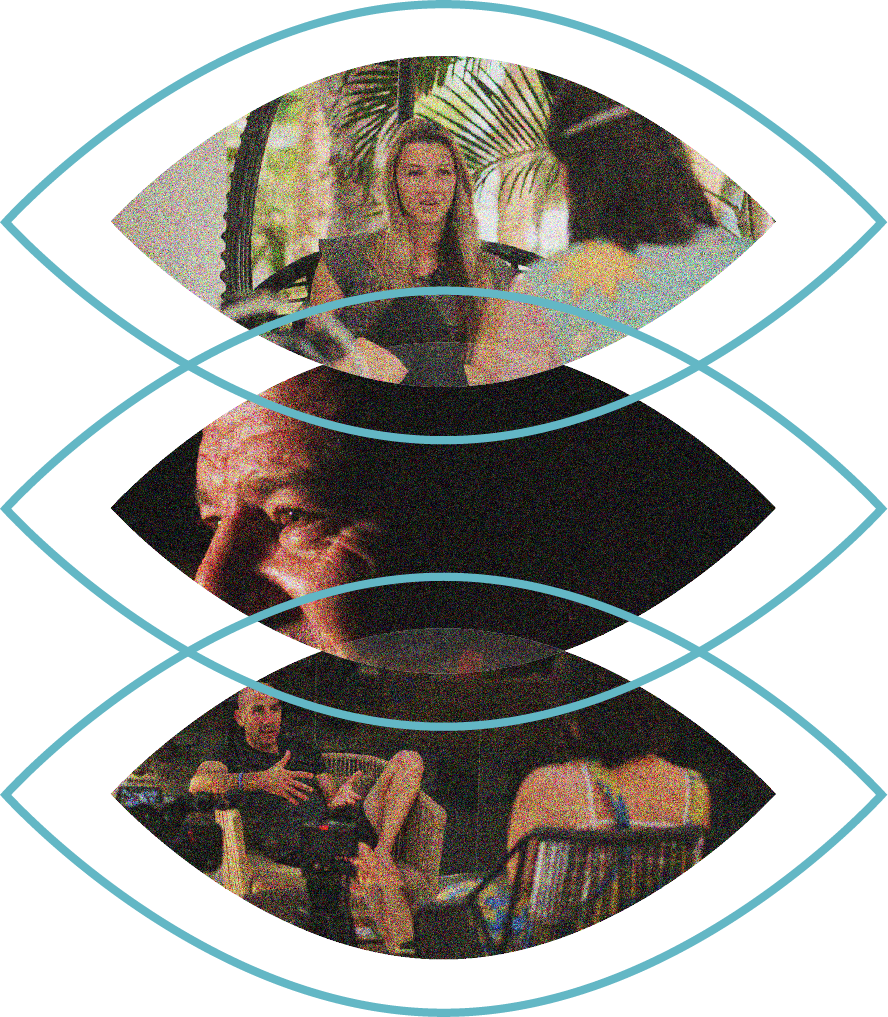
Explore lectures, exhibitions, screenings, interactive experiences, and more - all rooted in the testimonies preserved in the Edut 710 archive.
Live Zoom Lectures
From the Holocaust to October 7 | Cinematic Perspectives on Documenting Trauma
How do we document trauma while history is still unfolding?
This lecture explores the ethical and cinematic dilemmas involved in documenting traumatic events, from Holocaust testimony to the aftermath of October 7.
The attack created a profound rupture in the communities of the western Negev: a break between the lives that existed before and a reality that can never fully return. Through photographs, written accounts, and visual testimony created within this disrupted landscape, the lecture examines how images and words can bear witness to a world that has been fractured.
Drawing on materials that later developed into a photography book and exhibition, the lecture invites audiences to look closely at selected images, read from accompanying texts, and consider fundamental questions of representation, testimony, memory, and ethics in documentary practice.

Itay Ken-Tor
Itay Ken-Tor is a filmmaker, educator, co-founder, and CEO of Edut 710. His documentary work includes projects for Yad Vashem and the award-winning A Film Unfinished. He also teaches film and works extensively on testimony, memory, and the ethical representation of trauma.
The Art of Listening | Listening and Documentation in the Aftermath of Trauma
What does it mean to truly listen to testimony?
Drawing on the work of psychiatrist and Holocaust survivor Prof. Dori Laub, one of the pioneers of video testimony, this lecture explores listening as a central part of the encounter between witness and listener.
Through Edut 710’s work and selected testimony excerpts, Dr. Ohad Ofaz examines the ethical, human, and restorative dimensions of documenting personal testimony after trauma.

Dr. Ohad Ofaz
Dr. Ohad Ofaz is a documentary filmmaker, educator, and co-founder of Edut 710. He is a senior lecturer at Oranim College and an expert in documentary ethics, trauma testimony, and community-based media initiatives.
Testimony in the Digital Age | AI and New Ways of Working with Video Testimony
What becomes possible when thousands of hours of video testimony can be explored, analyzed, and connected in entirely new ways?
This lecture explores the emerging field of digital humanities and the new possibilities created by combining video testimony with computational tools, artificial intelligence, and advanced methods of analysis.
Through the work currently being developed at Edut 710, Prof. Renana Keydar presents how technology can help researchers and the public identify connections across testimonies, trace recurring themes, explore multiple perspectives, and engage with a large-scale audiovisual archive in ways that were previously impossible.
The lecture also addresses the complex questions that accompany these technologies: how to preserve context, protect the integrity of testimony, and use AI without losing the human voice at the center of the archive.

Prof. Renana Keydar
Prof. Renana Keydar is a faculty member and researcher at the Hebrew University of Jerusalem. She has been part of Edut 710 since its founding and leads the organization’s Content Editing Department and its Archive and Research Division.
Curated Testimony Screenings
October 7, in Their Own Words
A curated selection of English-subtitled testimonies from the Edut 710 archive.
Through multiple first-person perspectives, the screening brings audiences into direct encounter with the human stories of October 7.
The testimonies offer different perspectives from communities, cities, the Nova festival, rescue teams, security forces, and civilians who experienced the attack firsthand.
The screening can be presented as a standalone community program or combined with a live Zoom conversation with a member of the Edut 710 team.
Available in different program lengths and formats.


